Vehicle Network and CAN Bus Diagnostics
Every module in a modern vehicle talks to the others over a network. When that communication breaks down, you get lost communication codes, multiple unrelated warning lights, features that quit working, and no start conditions that make no sense until you look at the network itself.
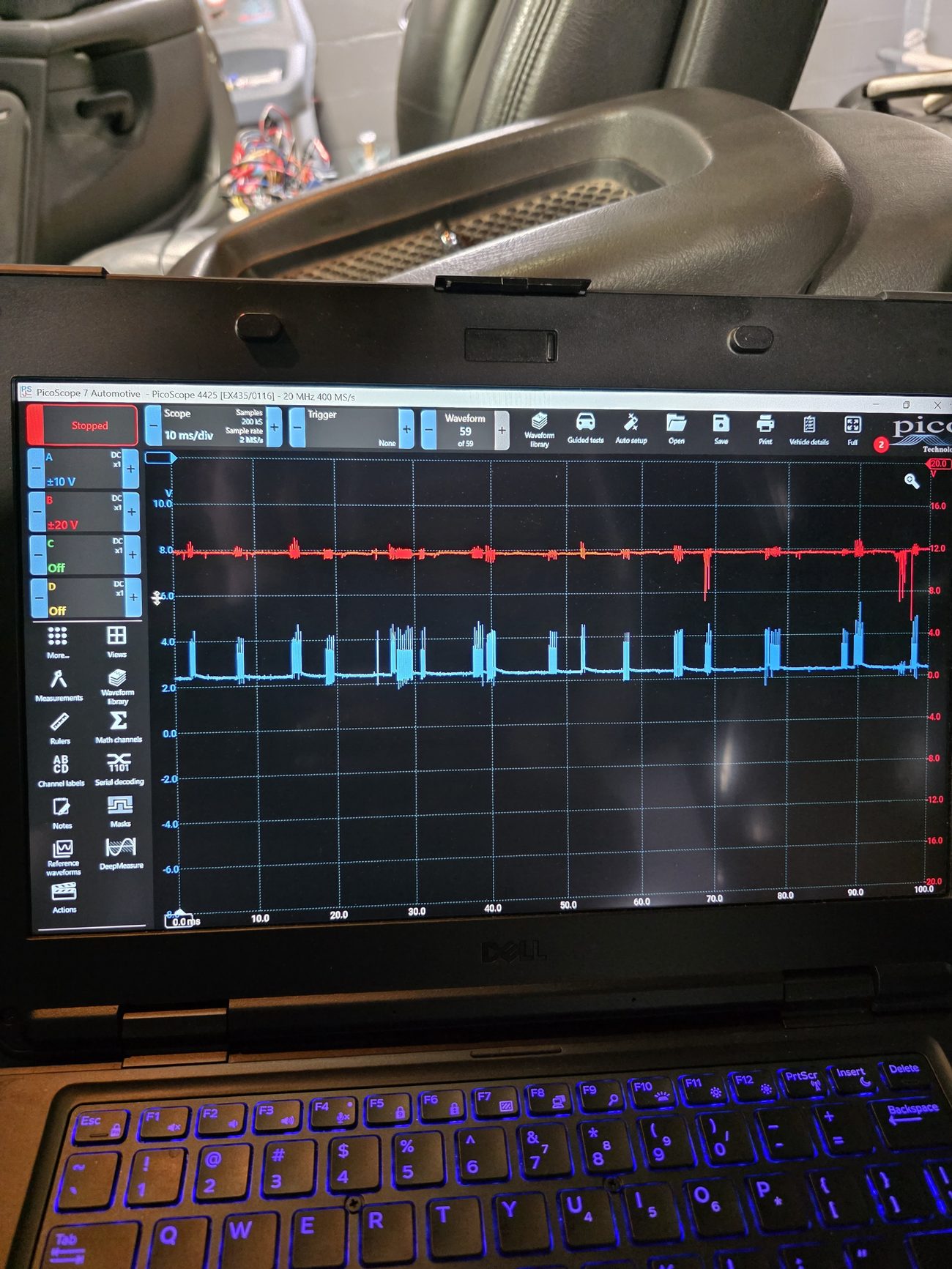
We diagnose CAN bus and vehicle network faults at the signal level, using an oscilloscope to see what the modules are actually saying to each other. This is deep, technical work, and it is where a lot of otherwise unsolvable problems are finally found.
What this covers
- CAN bus and serial data network diagnosis
- Lost communication and U code faults
- A module that is not communicating on the network
- Multiple unrelated warning lights at once
- Network faults causing a no start
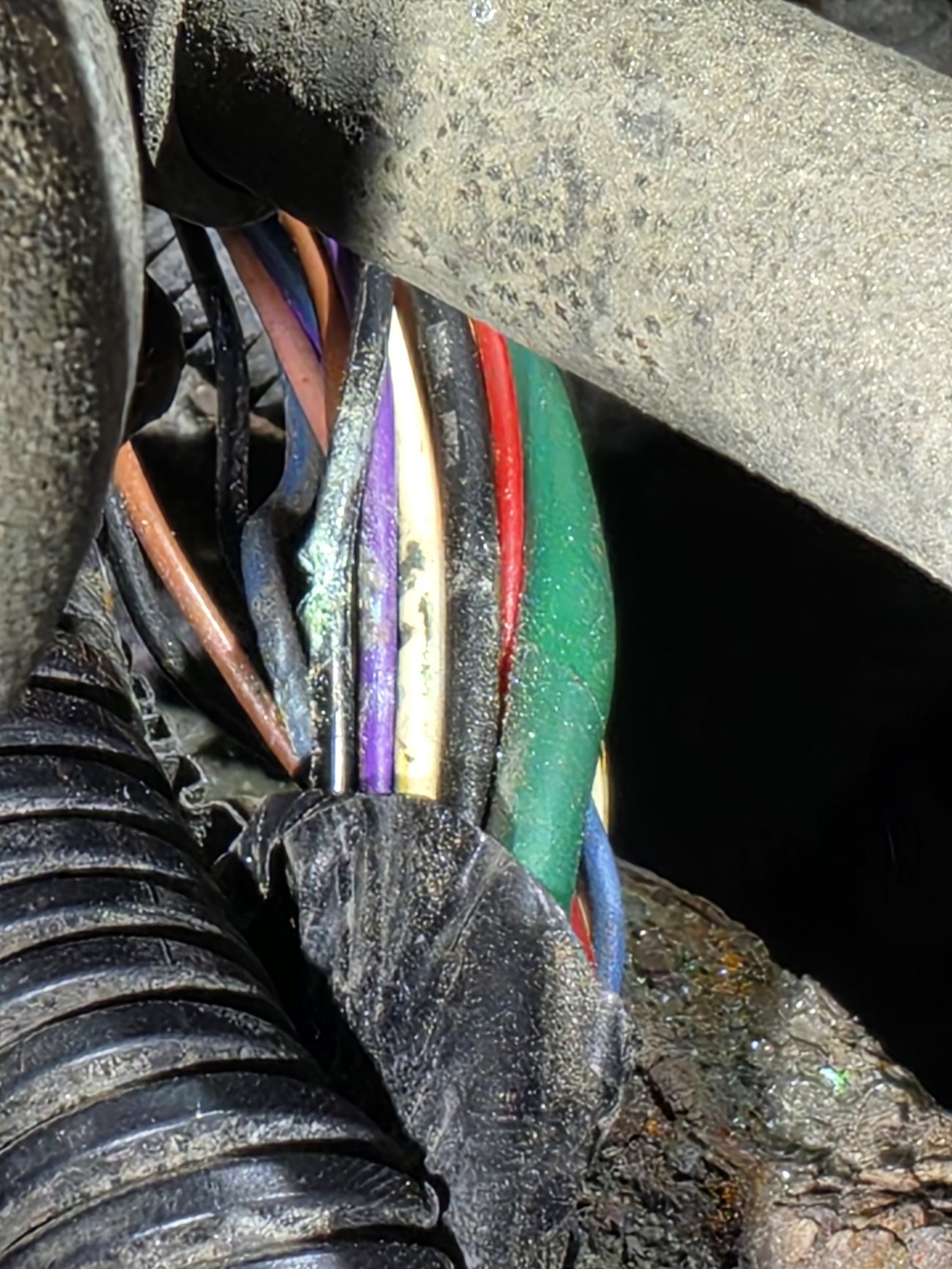
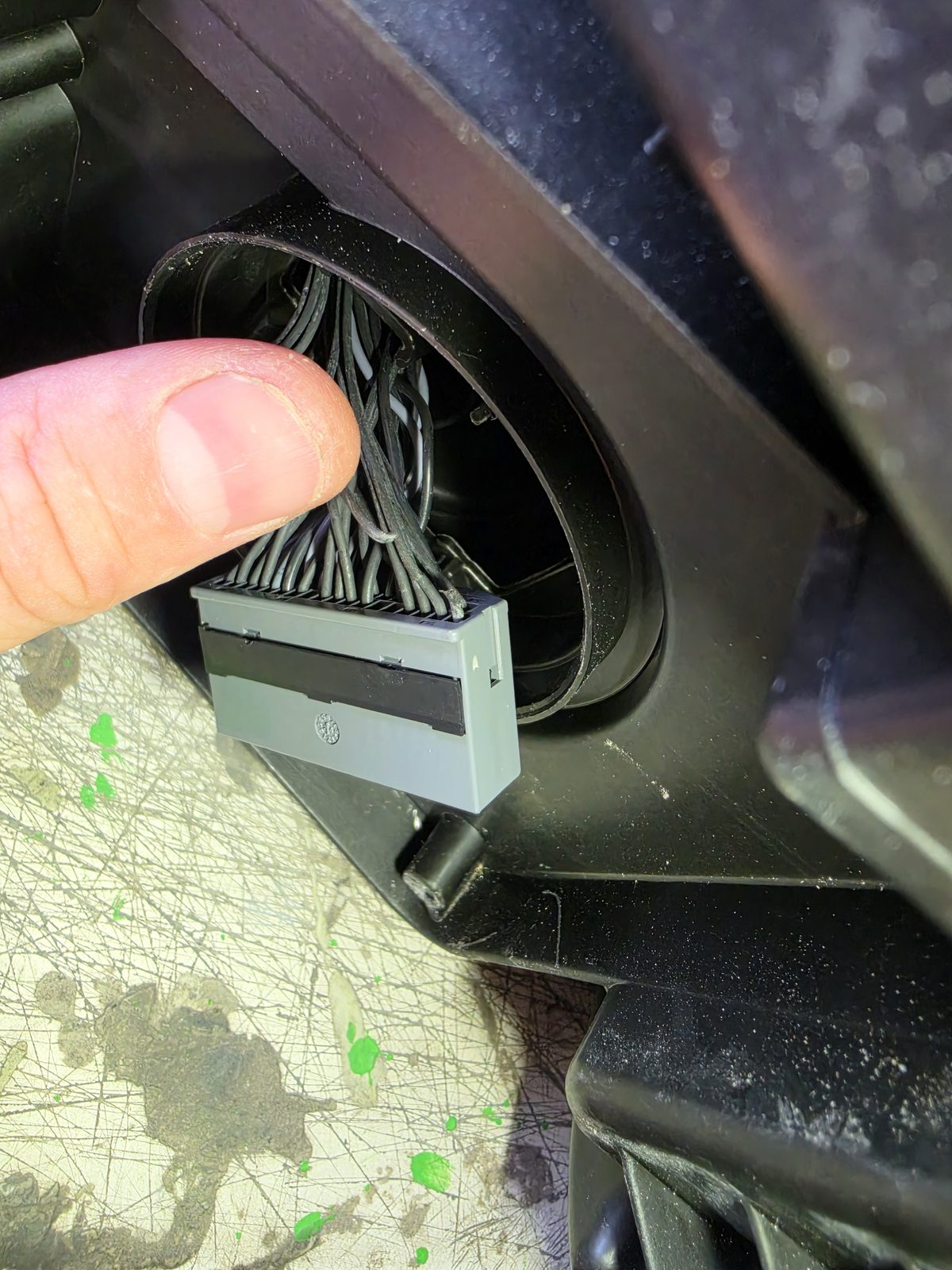
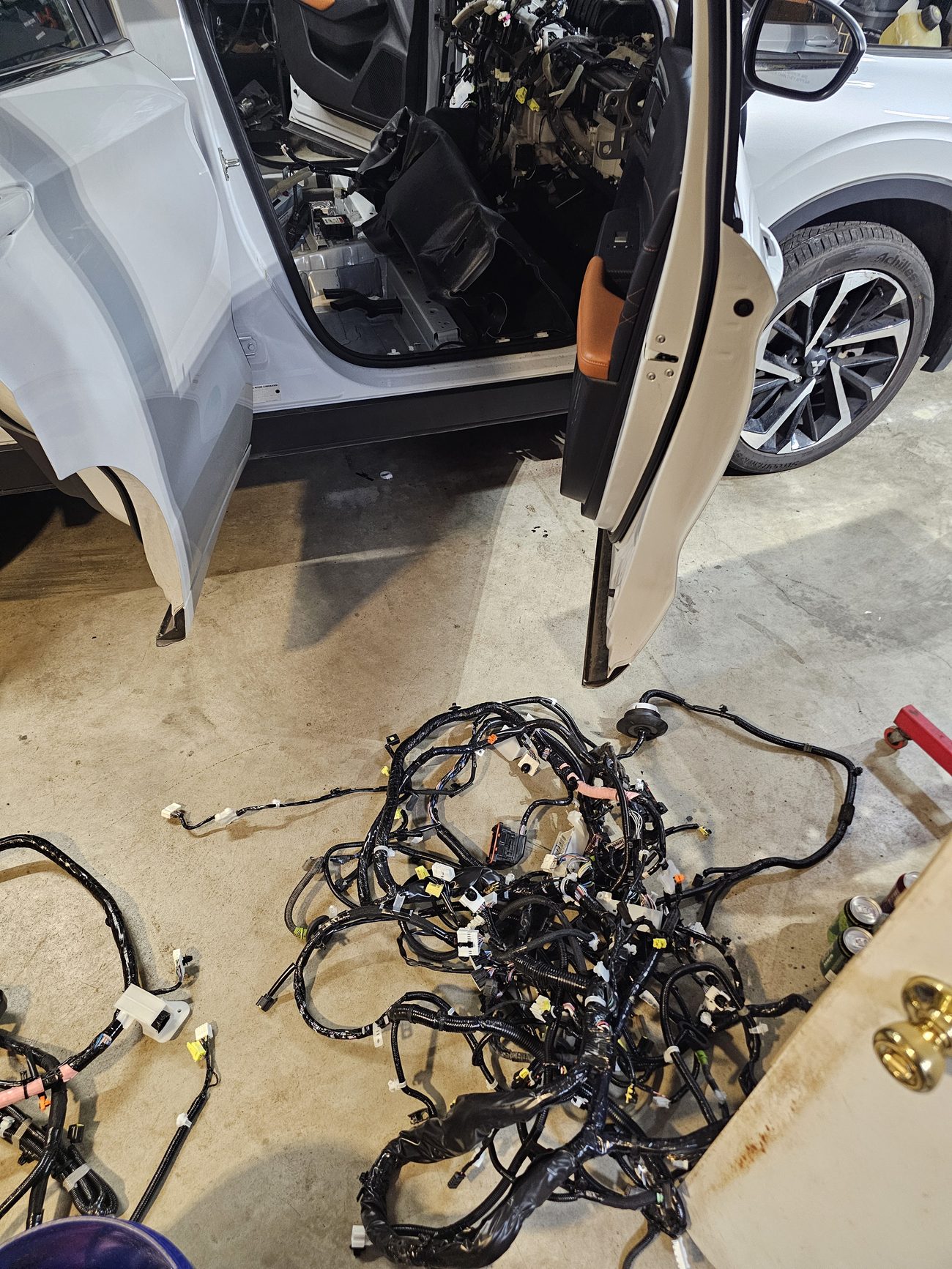
- Wiring and connector faults on the data bus
Signs you might need this
- The scan tool cannot reach one or more modules
- Several warning lights came on at the same time
- You have lost communication or U codes stored
- Features stopped working for no clear reason
How we approach it
- 1
Scope the network
We look at the actual data signals on the bus to see whether the modules are communicating and where the message is breaking down.
- 2
Find the break
A failed module, a wiring fault, a bad connector, or a terminating problem. We isolate which one is taking down communication.
- 3
Restore communication
Once the fault is found, we repair it and confirm the network is healthy and every module is talking again.
What is a CAN bus?
It is the network vehicles use to let their computers communicate. When it fails, modules cannot share information, which causes warning lights, dead features, and sometimes a no start.
What causes lost communication codes?
A module that has failed, a wiring or connector fault on the network, or a power or ground problem to a module. We scope the bus to find which.
Is this the same as reading codes?
No. Reading codes is the starting point. Network diagnosis means looking at the live data signals themselves to see what is actually happening on the bus. It takes an oscilloscope and experience to interpret.
Often needed alongside this
Have a problem no one else can solve?
Tell us what your vehicle is doing and we will tell you how we can help. Call, or start a chat and we will get right back to you.