EV and Hybrid Diagnostics
A lot of shops still park an EV at the back of the lot and hope it goes somewhere else. Not because the work is beyond them. Because nobody wants to learn on a customer's car. Meanwhile these vehicles keep showing up in Butler County driveways, and the people who own them need somewhere to go.
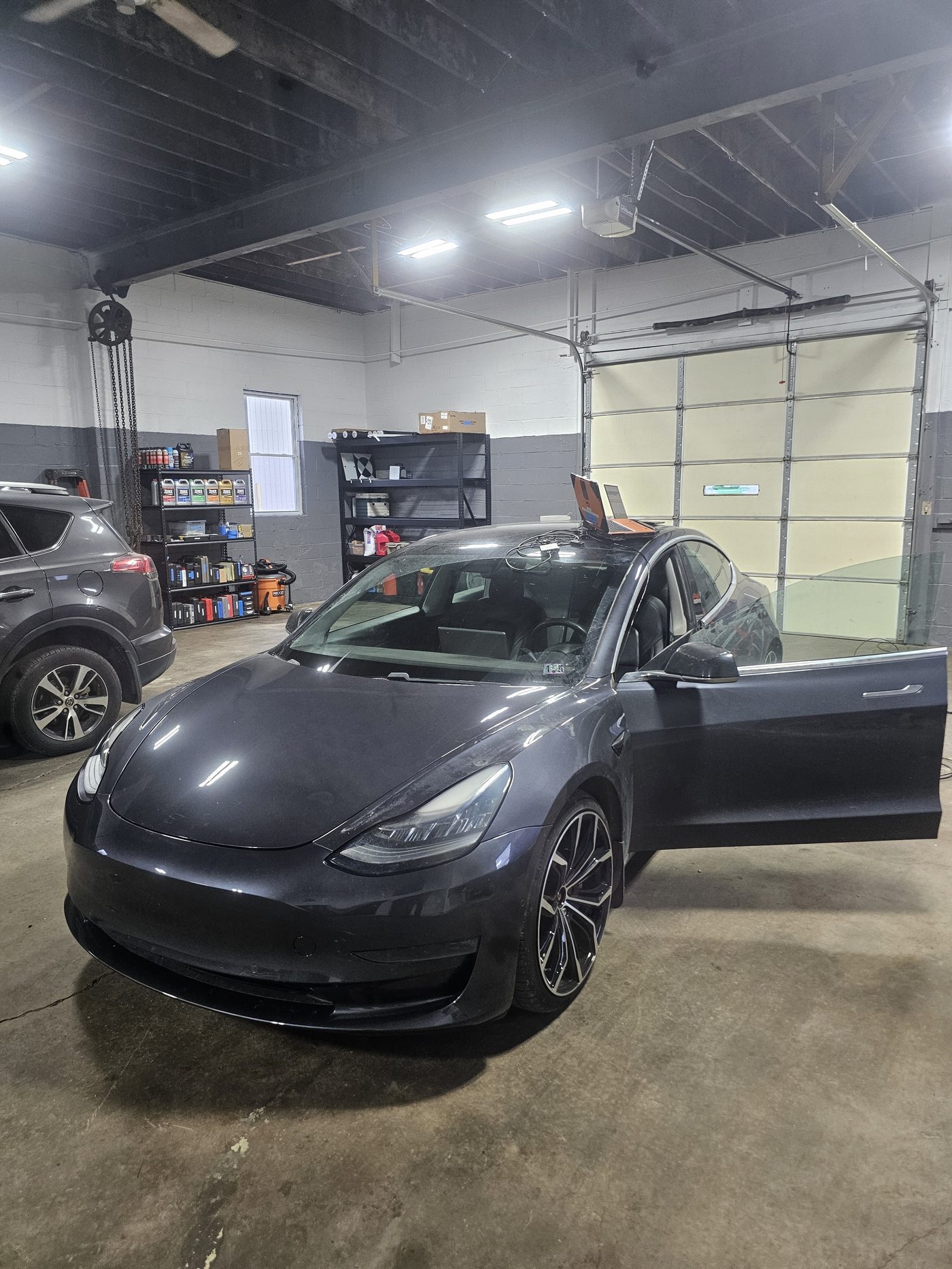
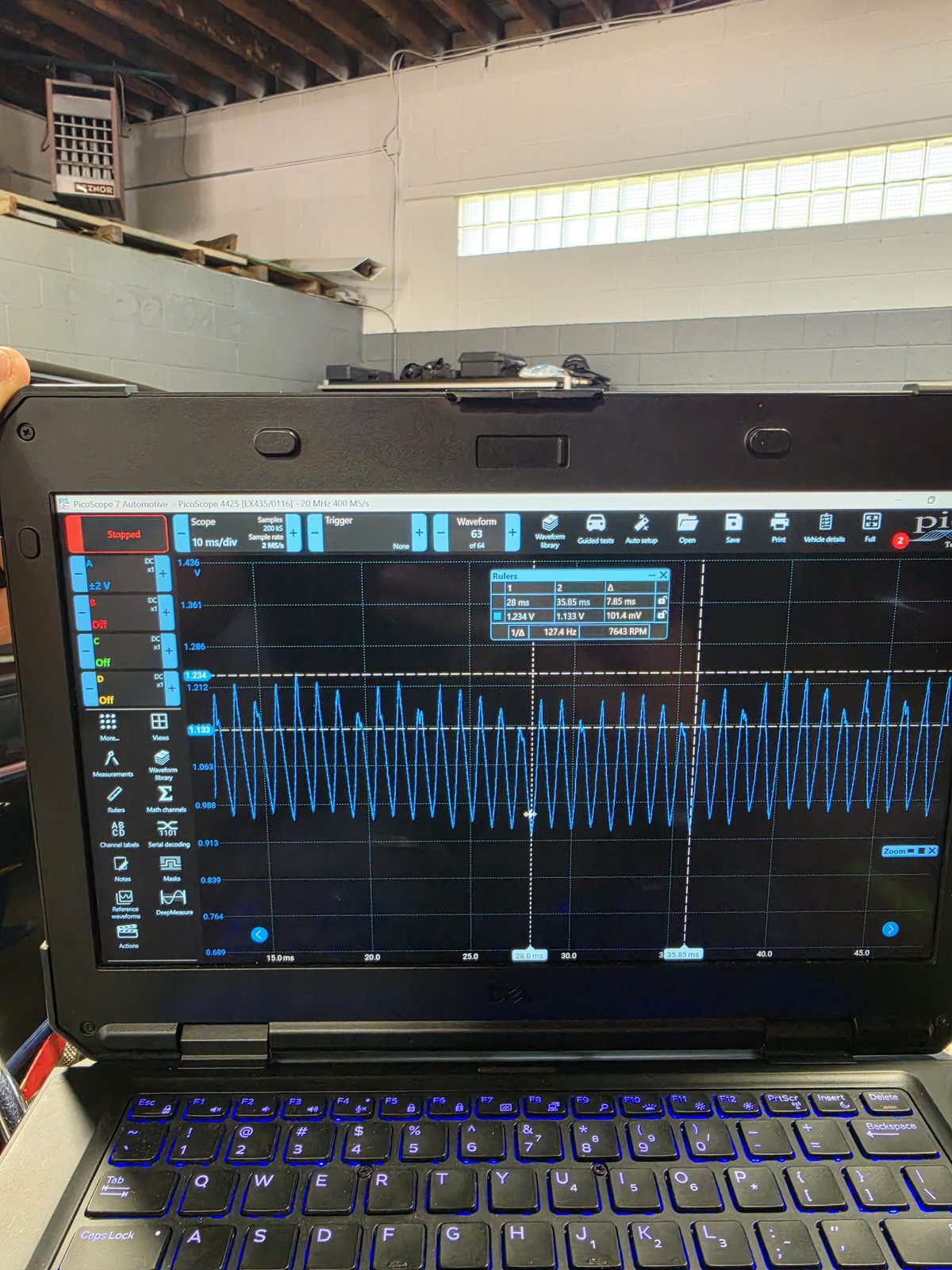
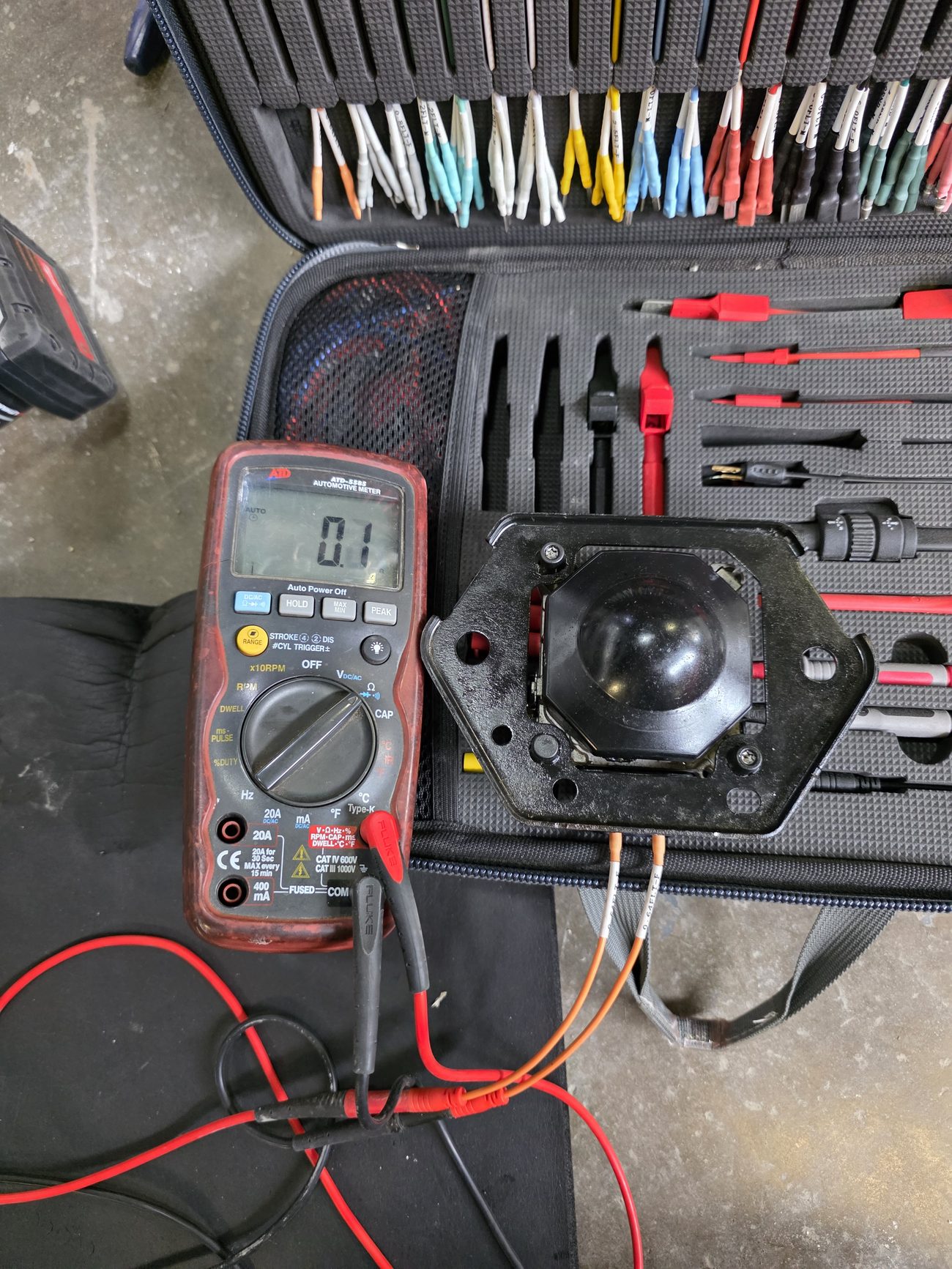
We diagnose electric and hybrid vehicles the same way we diagnose everything else. Measure first, read the network, find the actual fault instead of guessing at the most expensive assembly. High voltage demands respect and the right procedure, and we follow it. What it does not demand is mystery.
What this covers
- High voltage battery and pack level fault diagnosis
- Hybrid system warning lights and drivetrain faults
- Loss of isolation faults
- Inverter, converter and charging system diagnosis
- Battery thermal management and cooling faults
- Regenerative braking faults
- EV and hybrid module programming
- 12 volt system faults on EVs, which get misdiagnosed constantly
Signs you might need this
- A hybrid or EV warning light nobody can explain
- Reduced power, or a limp mode that comes and goes
- The vehicle will not charge, or only charges sometimes
- You have been told it has to go to the dealer
How we approach it
- 1
Make it safe first
High voltage work starts with proper isolation and verification before anything gets touched. That step is not optional and we do not skip it.
- 2
Diagnose the system
Battery, inverter, charging, cooling, or the network tying them together. We measure and scope instead of swapping the most expensive part and hoping.
- 3
Give you the honest version
Some EV faults are a connector or a module. Some are a pack. You get the real answer either way, with a quote before any work starts.
Do you actually work on electric and hybrid vehicles?
Yes. Diagnostics, electrical faults, module programming, and the network problems that come with them, on hybrids and full EVs alike.
My shop said they cannot touch my hybrid. Why not?
High voltage systems need specific procedures and equipment, and plenty of general shops have not made that investment yet. It is a specialization, the same way ADAS calibration is. No shame in it, it just means the job gets sublet to someone who has.
Is an EV harder to diagnose than a gas car?
Different, not harder. In some ways simpler, because there are far fewer moving parts. The difficulty moves into the electronics and the network, and that is the work we already do all day.
Often needed alongside this
Have a problem no one else can solve?
Tell us what your vehicle is doing and we will tell you how we can help. Call, or start a chat and we will get right back to you.